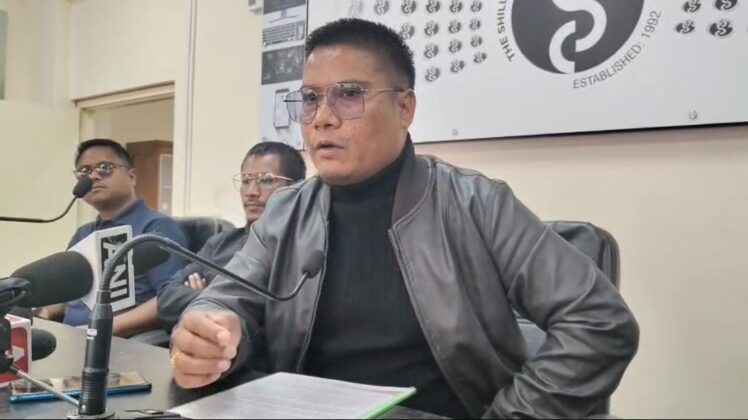
SHILLONG: The Jaintia National Council (JNC) on Tuesday broke its silence on the devastating coal mine explosion at Mynsngat–Thangsko, East Jaintia Hills, describing the February 5 tragedy as far more than an accident and calling it a national wake-up call.
In a strongly worded statement, JNC President Sambormi Lyngdoh said the scale and intensity of the blast was unprecedented in the district’s history. While East Jaintia Hills has witnessed smaller mining-related incidents in the past due to unscientific practices, he warned that the latest explosion points to “something far more serious,” warranting an investigation that goes beyond conventional explanations.
According to eyewitness accounts cited by the Council, as many as five coal mines were impacted by the explosion. The JNC stated that had two adjacent mines not been closed on the day of the blast, the casualty figure could have reached catastrophic proportions.
The Council also trained its focus on illegal immigration, demanding that the probe extend beyond mining violations to include the alleged presence of illegal Bangladeshi nationals at the site. The JNC called for an immediate crackdown on illegal entry into the district and strict action against traffickers and contractors accused of exploiting undocumented workers.
ALSO READ:
Meghalaya Illegal Coal Mine Blast: Death Toll Rises to 30 in East Jaintia Hills
Meghalaya HC Warns Officials, Orders Report on Illegal Mining in East Jaintia Hills Within 10 Days
Meghalaya Orders Judicial Probe, Launches Crackdown on Illegal Mining After Thangsko Mine Blast
Thangsko Mine Tragedy: Deputy CM Tynsong Hits Back at VPP Over Resignation Demand
“We will not allow our land to become a source of livelihood for illegal settlers,” the JNC said, alleging that powerful “kingpins” were risking lives and the future of the next generation for short-term profits.
Referring to compensation announcements and statements issued by Prime Minister Narendra Modi and Union Ministers, the JNC said the national attention on the tragedy must now translate into permanent legal reform, not temporary relief.
The Council strongly criticised the existing 100-hectare requirement for scientific coal mining, arguing that the rule has pushed small landholding families into dangerous and illegal mining practices because they lack access to large tracts of land.
Appealing directly to the Prime Minister, the JNC urged the Centre to legalise small-scale scientific mining, asserting that such a move would dismantle illegal coal networks, safeguard workers’ lives, and prevent massive revenue losses to both the government and the Autonomous District Council.
The Council warned that unless laws are urgently reformed, tragedies like Mynsngat–Thangsko will continue to haunt the region.