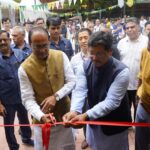
SHILLONG: As dawn broke over Mawlai, the streets came alive with pounding footsteps, cheers, and youthful determination as the Mawlai Games and Literary Fest 2026 burst into action with an early morning marathon — setting the tone for days of sport, culture, and creativity.
Significantly, the festival marks the revival of the Mawlai Games and Literary Fest after a gap of 17 years, making the occasion all the more special for the community and generations of sportspersons who had long awaited its return.
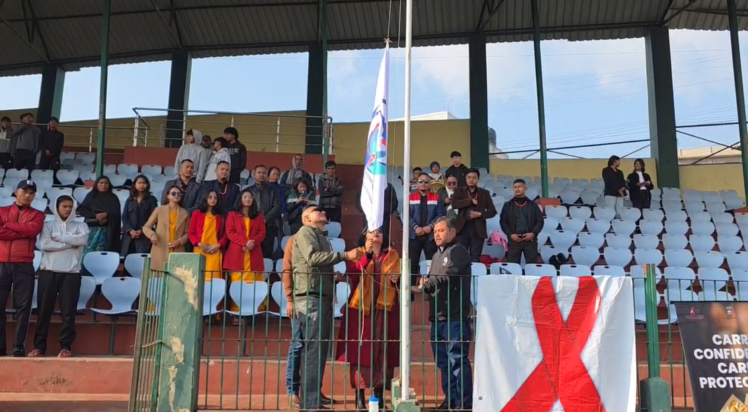
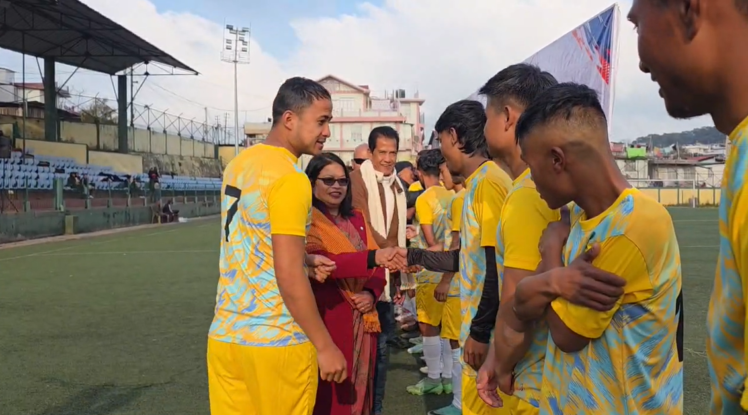
The festival’s opening ceremony at Madan Heh, Mawlai Phudmuri, was marked by the hoisting of the festival flag, a collective pledge, and the first football clash of the event — an energetic encounter between Mawdatbaki and Mawtawar, igniting the competitive spirit of the gathering.
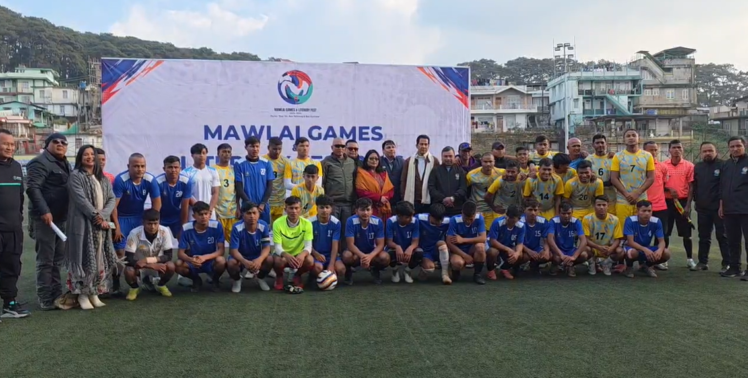
The occasion drew a vibrant crowd and was graced by Dr K. L. Iawbor, Joint Director of the Directorate of Health Services (DHS) and the Meghalaya AIDS Control Society (MACS), as chief guest, alongside veteran footballer and Mawlai Sports Club coach Herring Shangpliang, whose presence resonated deeply with the local sporting fraternity.
Addressing the gathering, Herring Shangpliang lauded the organisers for creating a platform that allows young people to discover and showcase their talents. He urged the community of Mawlai to come together and explore new avenues and opportunities for the youth, emphasising that sports have the power to unite and uplift an entire locality.
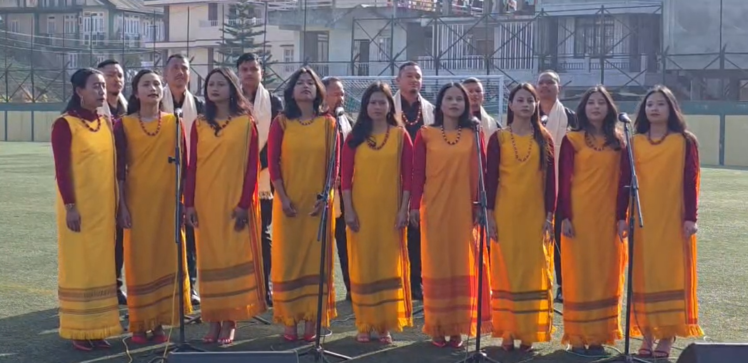
The Pledge for the Games was also read by Manbha Kupar Malngiang, a Junior Indian Footballer.
Calling the day a historic moment for Mawlai, Dr Iawbor said the festival was the result of months of vision and perseverance finally taking shape. She highlighted the importance of games in keeping the youth physically healthy and mentally strong, while the literary component of the festival, she said, helps young minds stay informed, reflective, and intellectually engaged.
“Mawlai is fortunate,” Dr Iawbor observed, “to have leaders and youth leaders who can bring everyone under one roof with a shared purpose — the upliftment of the younger generation.”
Drawing from Khasi wisdom, she cited “Duitara Ksiar: Dieng Bilat (Baroh u briew ba stad, mano ba lah ban len – la khlem da plie ka lad te kumno un lait ban kren)”, linking the proverb to the spirit of the Mawlai Games — a space where young people sharpen their skills, nurture their talents, and continually improve themselves.
Beyond sport and literature, the festival also carried an important social message. Dr Iawbor used the platform to speak candidly about the rising HIV cases in Meghalaya, urging youths to remain informed, cautious, and free from stigma. she addressed common misconceptions and explained the causes, symptoms, and modes of transmission — including unprotected sex, sharing of needles, mother-to-child transmission, and unsafe blood transfusions.
She also emphasised prevention through responsible behaviour — abstinence from unsafe practices, faithfulness to one’s partner, and correct condom use — while also offering reassurance that those infected should not lose hope. With access to Antiretroviral Therapy (ART), he said, HIV can be managed effectively, preventing further spread and allowing individuals to live healthy lives.
Dr Iawbor also highlighted the national toll-free helpline 1097, available in multiple languages, as a source of confidential information, counselling, and support.
As Mawlai Games and Literary Fest 2026 unfolds over the coming days, it promises more than competition and celebration — it stands as a reminder of how sport, culture, and awareness can come together to shape stronger, healthier communities.