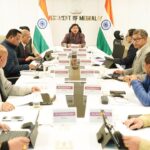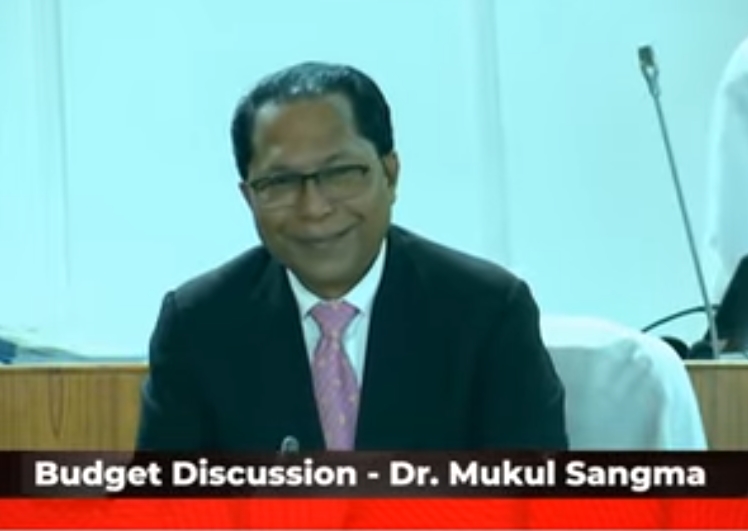
SHILLONG: TMC leader and former Chief Minister Dr Mukul Sangma has called for a cautious, balanced approach to the ongoing debate over Meghalaya’s reservation policy, describing the task of aligning state law with constitutional mandates as a “tightrope walking exercise.”
Speaking on the genesis of the current discourse, Sangma noted that the matter gained urgency after the judiciary took cognizance of specific provisions within the policy. He emphasized that discussions on such sensitive legislative matters should ideally occur within “the four walls” of deliberate debate to ensure legal stability.
Sangma paid a glowing tribute to the state’s forefathers, praising the “sense of oneness” that guided the Khasi, Jaintia, and Garo communities during the state’s inception. He noted that the original 1972 policy—which reserved slots for the three main tribes while maintaining a 15% open category for merit—was a masterclass in inclusive legislation.
“It was not the wisdom of an individual, but a collective engagement,” Sangma stated. “The policy reflects the spirit of a unanimous decision that gave us a powerful legislative mandate to ensure our children are part of the state system.”
A significant portion of Sangma’s address focused on the technicalities of Article 16(4B) of the Constitution and the state’s 1972 notification. He pointed out a “proviso” in the original rules which stated that unfilled vacancies for Scheduled Tribes (ST) and Scheduled Castes (SC) should not be carried forward for more than one year.
Sangma argued that because the state had not amended this one-year limit, the narrative regarding a massive “backlog” or “deficiency” in implementation might be legally overstated.
“Where is the deficiency in the implementation of this reservation policy? There is no question of a backlog… this roster system is only for one year. We have failed to effectively defend this in court,” Sangma remarked.
The former CM warned that fundamental rights and constitutional clauses cannot be interpreted in isolation. He stressed that lawmakers must navigate the “challenging terrain” of taking decisions that respect both the Parliament and the Judiciary.
“Each fundamental right is interconnected,” he explained. “If we don’t walk with a proper balance, we cannot sleep. We cannot take the judiciary for granted, nor can the legislature be taken for granted.”
Sangma urged members of the House, including those from the treasury benches, to show sensitivity and depth when speaking on the issue, noting that a hurried or superficial study of the Expert Committee report would be insufficient given the complex legal precedents involved.