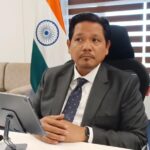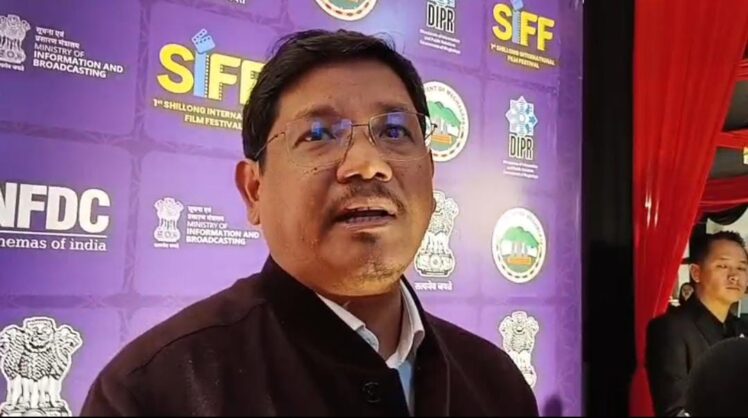
SHILLONG: Amid growing speculation over a political realignment in the state, Meghalaya Chief Minister Conrad K. Sangma clarified on Thursday that the recent collaboration between the ruling National People’s Party (NPP) and the opposition Meghalaya Trinamool Congress (TMC) within the Garo Hills Autonomous District Council (GHADC) is strictly focused on protecting tribal interests.
The statement follows a rare moment of political convergence between the state’s two heavyweights—Chief Minister Conrad K. Sangma and Leader of Opposition Dr. Mukul Sangma—who appear to have set aside partisan differences to address the volatile situation within the Council.
The Chief Minister welcomed the decision of MDCs (Members of District Council) from various parties to work together, describing it as a positive sign for the welfare of the public.
“At this juncture, I am pleased to see that by setting aside political differences, the MDCs and leadership of the Meghalaya TMC, along with Independent MDCs, have joined hands for the rights of the people, particularly the tribal communities of Garo Hills,” the Chief Minister stated.
He further added that this collaboration sends a powerful message: when it comes to the welfare of the community, political parties can transcend partisan boundaries to act in the best interest of the state.
The Chief Minister lauded the TMC and Independent MDCs for their decision to support the current Bill and participate in the Executive Committee (EC). This move is seen as a strategic step to stabilize the Council’s governance.
Key areas of the NPP-TMC cooperation include, protection of Tribal Rights and indigenous customs, resolving issues surrounding Scheduled Tribe (ST) certificates and ensuring administrative stability within the GHADC.
Despite the significance of this “unholy alliance” in the Council, Sangma was quick to downplay its implications for future state or general elections. When asked if this partnership would lead to a broader electoral pact, the Chief Minister maintained a cautious stance.
“Currently, the platform on which we have come together is limited to the issue of tribal rights and the Scheduled Tribe certificate. Therefore, the understanding is confined to these specific matters,” Sangma clarified.
While he noted that the unity shown for the sake of the community was “encouraging,” he declined to speculate on how this development might influence the state’s political landscape moving forward.