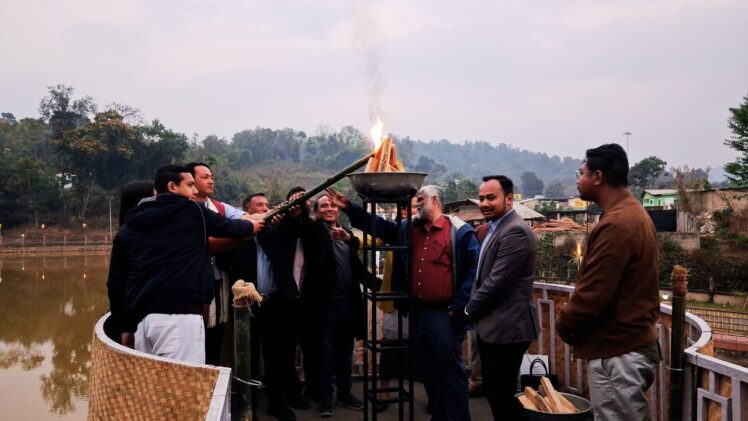
UMTREW, RI BHOI: The 8isOne–Meghalaya Chapter, a two-day cultural festival organised by Mebaai Group, was held at Mebaai Resort, celebrating the cultural richness and regional unity of the eight northeastern states of India.
Hosted in Umtrew village, in Ri Bhoi district, the festival brought together artists, scholars, entrepreneurs, community leaders, and cultural enthusiasts from across the region.
From thought-provoking dialogues and interactive networking sessions to vibrant cultural performances, the venue came alive with colours, traditional attire, music, and dance. The festive atmosphere reflected the diverse yet interconnected heritage of the Northeast.
Participants shared valuable insights on the importance of building cultural bridges, preserving indigenous traditions, and promoting common narratives that unite the region. Discussions focused on how art, music, literature, food, and storytelling can strengthen mutual understanding and foster long-term regional cooperation.
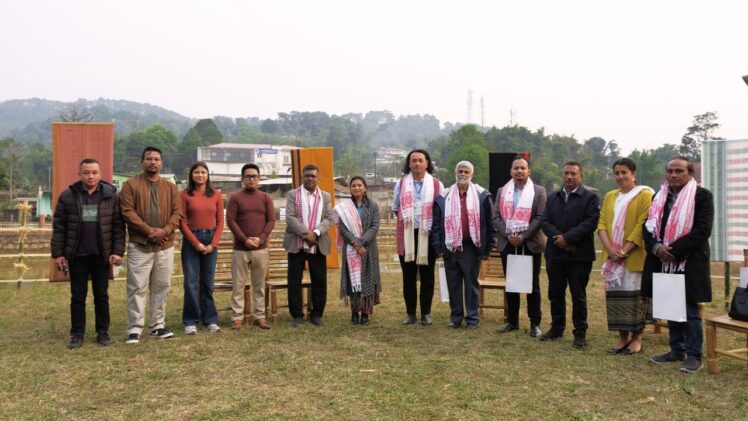
During the panel discussion on “Cultural Integration through Art, Music, Literature and Food in Meghalaya and Northeast India,” moderated by Ibankyntiew Mawrie, Editor of 4Front Media, leading voices from the state’s creative and academic community came together to reflect on the future of indigenous heritage in a rapidly changing world.
The session featured Raphael Warjri, a renowned artist and filmmaker; Auswyn Winter Japang, Assistant Professor at St. Anthony’s College, Shillong; Hammarsing Kharhmar, musician and founder of Da Minot Band; Alethea Lyngdoh, Communication Head at NESFAS; and Prasenjit Biswas, Professor in the Department of Philosophy at North-Eastern Hill University.
The panelists emphasised the urgent need to systematically document, archive, and safeguard traditional knowledge systems, oral histories, indigenous art forms, culinary practices, and community wisdom that have been passed down through generations. They noted that much of the region’s cultural wealth remains vulnerable to erosion due to urbanisation, migration, and the influence of globalised media.
At the same time, the experts stressed the importance of adapting cultural practices to modern platforms. They highlighted how digital tools, social media, filmmaking, online archives, and creative storytelling can help amplify indigenous voices and make traditional knowledge accessible to wider audiences, especially younger generations.
Several speakers underlined the critical role of youth in cultural preservation, describing young people as both custodians of tradition and agents of innovation. They encouraged greater engagement of students, artists, and content creators in documenting community histories, reviving endangered practices, and presenting them in contemporary formats.
The discussion also explored how collaborations between artists, academics, community organisations, and policymakers can strengthen cultural ecosystems and promote sustainable cultural development across the Northeast.
Overall, the panel reaffirmed that preserving heritage does not mean resisting change, but rather embracing innovation while staying rooted in tradition. By combining ancestral wisdom with modern communication tools, the speakers said, the Northeast can ensure that its rich and diverse cultural legacy continues to thrive for future generations.
The event served as a platform for meaningful exchange, collaboration, and cultural celebration, reinforcing the idea that unity lies in embracing diversity.
Organisers said the festival was aimed at encouraging dialogue among communities, promoting cultural tourism, and creating sustainable networks for artists and cultural practitioners.
With its blend of tradition, creativity, and community engagement, the 8isOne–Meghalaya Chapter festival showcased the spirit of togetherness and reaffirmed the Northeast’s shared identity and collective future.