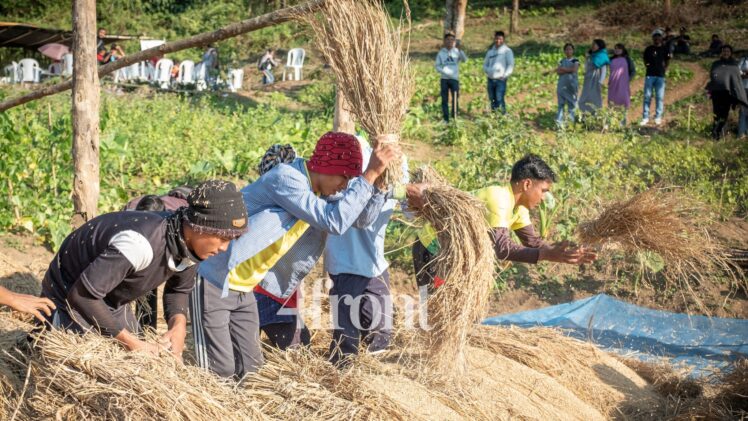
MAWHATI: The winter sun blazed warmly over Mawtari-Thaiang in Ri Bhoi district as villagers stepped onto the fields with sticks in hand and music rising in the air. What looked like a festival was, in truth, a living heritage—an expression of indigenous agriculture woven with community spirit.
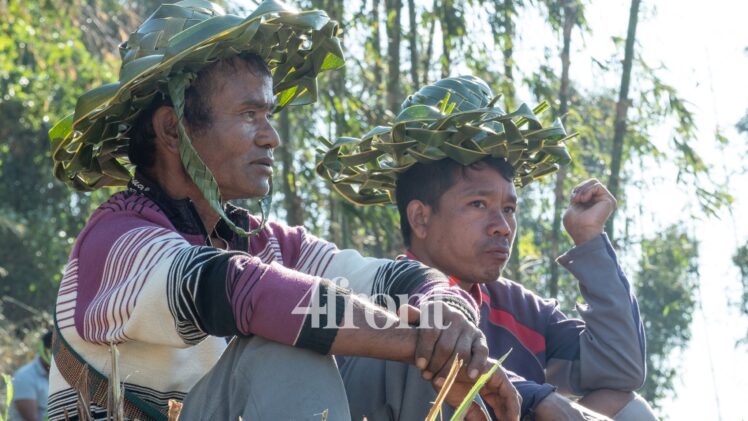
Children swayed to the beat of traditional drums, their movements guided by elders who stood in a circle around a mound of freshly harvested rice crops. With a steady rhythm, the elders struck the crops with sticks, separating the grains—a timeless practice passed from generation to generation.
Indigenous wisdom isn’t the past. It is our ancient future,” said Mayfereen Ryntathiang, Founder of Grassroot Shillong.

Where Learning Happens in Circles, Not Classrooms
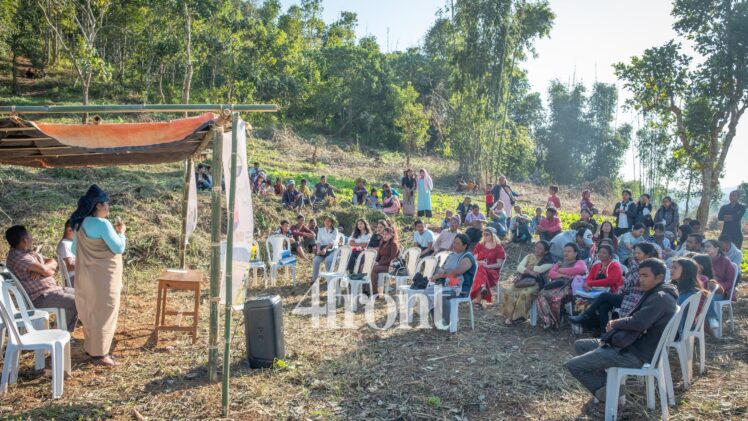
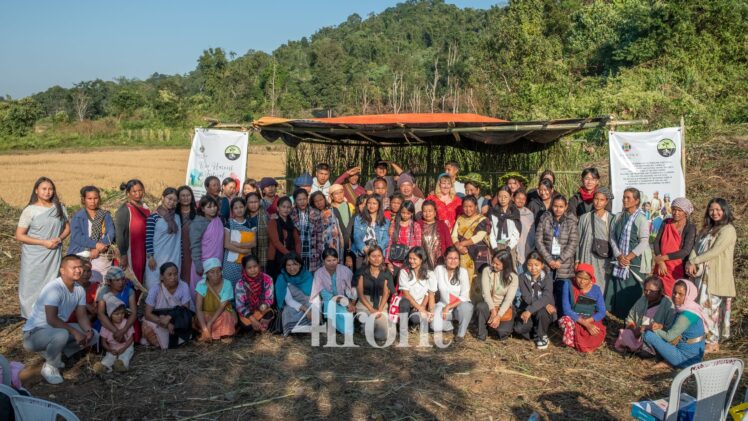
Organised with the support of Grassroot Shillong, the harvest festival transformed into an intergenerational classroom. Students, farmers, elders, and community members gathered not only to celebrate but to learn—from the land and from one another.
The harvested rice crops at the centre became a symbol of shared knowledge: technique, rhythm, farming skills, and cultural identity all met in one circle.

Climate Change and the Call of Indigenous Knowledge
Mayfereen Ryntathiang reminded the gathering that conversations about climate change often place farmers at the centre—but rarely with the recognition they deserve.
“When we talk about climate change, we talk about lack of rain, changing weather, scarcity of indigenous seeds,” she said. “But the real question is—what will happen if we lose out on nature’s blessings because we refuse to respect the environment?”
She emphasised that traditional farming is more than a practice; it is a roadmap to sustainability.
“If farmers hold on to indigenous wisdom, they become our ancient futures— the guardians of sustainable development.”
The Value of Local Grains
Ryntathiang spoke about the untapped potential of Meghalaya’s agricultural produce. While rice from other north-eastern states is now sold across India and abroad, Meghalaya’s organic varieties remain under-supplied despite their quality.
“Our rice once reached Delhi at ₹150 per kg while we sell it here at ₹35,” she said. “Its value is high—because it is organic and unique. We must learn to be self-sustained and proud of what we produce.”
A Culture Built on Cooperation
For the Rangbah Shnong of Mawtari-Thaiang, Tolbin Umbah, the festival is not just about reviving a tradition—it is about reviving a way of life.
“Grassroot has helped our village in many ways,” he shared. “Now we turn our focus to the environment—to plant trees and to understand the value of our mother earth.”
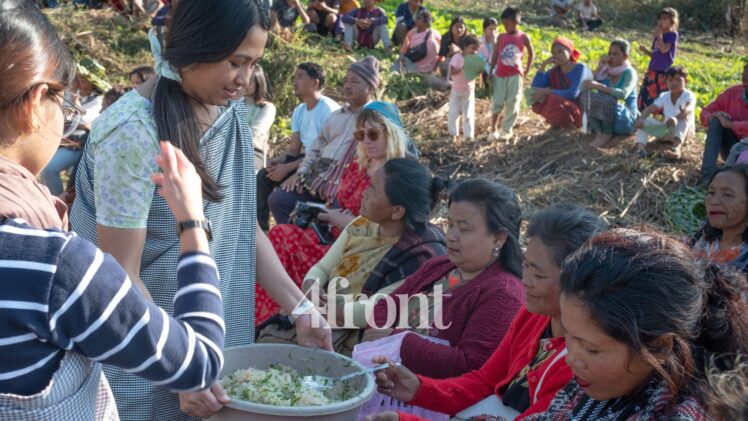
He recalled a time when the community lived and harvested together. There was no hiring of labourers, no transactions of money—only shared work and mutual help. A feast would mark the end of the harvest, complete with music, oral storytelling, and nights spent in the fields.
Those customs are fading, he said, but not lost.
“This festival reminds us of what once was— and what can still be, if we work as one community,” Umbah said.
Reclaiming the Future Through the Past
The harvest festival at Mawtari-Thaiang was more than a cultural event—it was a restoration of identity. In the rhythm of the drums, in the coordinated strike of the sticks, in the gathering of children and elders, the community reaffirmed its relationship with the land.
This revival of indigenous farming practices is also a revival of self-reliance, environmental care, and intergenerational bonding.
As Meghalaya faces the realities of climate change and modernization, Mawtari-Thaiang offers a powerful message:
Look back, to move forward. Restore the wisdom of the land, and let community be the compass.
ALSO WATCH: