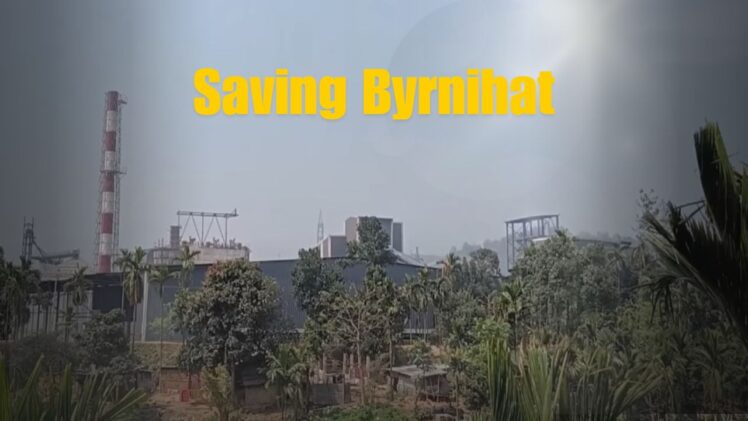
SHILLONG: The Meghalaya government has defended its environmental record in the industrial hub of Byrnihat, pointing to recent national recognition despite growing social media concerns over a local ethanol factory.
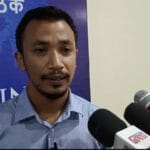
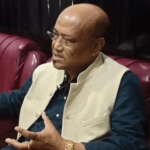
MDA Government Spokesperson and Cabinet Minister Wailadmiki Shylla highlighted reports from just a few days ago where the Meghalaya State Pollution Control Board received an award recognizing its successful efforts in reducing pollution in Byrnihat.
Shylla stated that this accolade demonstrates that the state government remains fully aware of and serious about tackling the environmental challenges in the area, which has previously drawn national media attention for severe industrial pollution.
Addressing the recent online controversy surrounding a specific ethanol unit, Shylla declined to comment extensively on its operations, stating that he lacks proper knowledge about the factory as it does not fall under his immediate department and he only became aware of it a few days ago.
He further explained that the unit could realistically be located on either the Meghalaya or the Assam side of the border. This geographical complexity creates an ongoing debate regarding the exact origin of Byrnihat’s pollution, given that a majority of the industrial factories in the contiguous belt actually fall under the jurisdiction of the Assam government.
To combat this, Shylla recalled that Chief Minister Conrad K. Sangma had previously assured that the state government would engage in high-level discussions with Assam to find collaborative, cross-border solutions.
The government also clarified its stance on handling specific public health grievances arising from the industrial sector. Shylla, who also oversees the Health Department, stated that the government is yet to receive any formal written complaint regarding the alleged environmental and health impacts of the ethanol factory.
He emphasized that while the government became aware of the issue through social media, the Health Department can only initiate an official health survey or inquiry once concrete evidence or a formal written complaint is submitted by the public, noting that no one has come forward to lodge such a complaint so far.