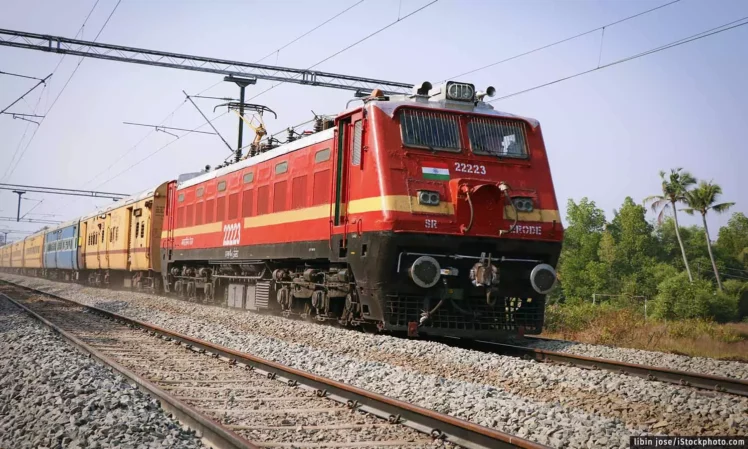
SHILLONG: In a hard-hitting statement regarding the future of connectivity in the state, Dr. Batskem Myrboh, spokesperson for the Voice of the People Party (VPP), has highlighted a “peculiar” and “difficult” dilemma facing Meghalaya: the stark divide between the Garo Hills and Khasi-Jaintia Hills over the implementation of railways.
While acknowledging that infrastructure is the backbone of economic growth, Dr. Myrboh pointed to a glaring contradiction in the state’s current stance on the iron tracks.
The VPP spokesperson didn’t pull any punches regarding the current geographical split on the issue. With the Mendipathar line already operational in the Garo Hills, Dr. Myrboh argued that opposing railways in one half of the state while accepting them in the other might be a futile exercise in security.
”If people are determined to come through the railways to Khasi Hills, they can simply come via Garo Hills,” Myrboh noted, questioning the logic of a partial blockade.
The call for railways comes at a time when Meghalaya is feeling the heat of logistical pressures. Dr. Myrboh cited two major factors:
The Taxi Crisis: Recent protests by local tourist taxi associations against the influx of Assam-based vehicles highlight the need for more robust, state-controlled transport infrastructure.
The Mizoram Example: He pointed to the 100% surge in tourism in neighboring Mizoram following airport runway extensions as proof that better connectivity equals economic prosperity.
However, the VPP remains firm on the “genuine concerns” of the indigenous population. As a “minuscule population” in the context of India, the fear of both internal and international migration remains a primary hurdle.
The party spokesperson questioned, “How can the state effectively link the demand for the Inner Line Permit (ILP) with the railway expansion when 50% of the state has already accepted the tracks without any such mechanism in place?”
The VPP’s stance suggests that while the party recognizes the economic necessity of the railways, the lack of a unified state-wide policy and protective mechanisms like the ILP creates a “very difficult situation” for policymakers and the indigenous community alike.