SHILLONG/KHLIEHRIAT: The death toll in the Mynsyngat–Thangsko illegal mining disaster in East Jaintia Hills has risen to 25, following the recovery of six more bodies from the collapsed mine and the death of another injured victim in hospital.
With the tragedy deepening, prominent social activist and Civil Society Women’s Organisation (CSWO) President Agnes Kharshiing has strongly criticised the state government, calling the incident a consequence of systemic corruption and administrative failure.
Kharshiing alleged that illegal coal mining continues due to a deep-rooted nexus involving officials at both State and Central levels.
“The government claims cases are registered, but where is the justice? Who has been punished?” she asked. “Hundreds of coal trucks move openly day and night. Are authorities blind, or are they being paid to look the other way?”
She further accused the administration of shielding a massive illegal industry through routine expressions of sympathy, calling official condolences a “cover-up” for institutional negligence.
Raising serious concerns over public safety and national security, Kharshiing questioned how illegal miners are accessing high-grade explosives.
“Who is issuing permits for these dynamites? How are such dangerous materials reaching illegal pits without police knowledge?” she asked, demanding a thorough investigation into the supply chain of explosives.
Beyond statistics, the disaster has exposed the harsh realities of poverty and desperation driving workers into dangerous mines.
The wife of an injured miner, who had been working at the site for three months, said they were aware of the risks.
“We knew it was a death trap, but poverty left us no choice. We had to feed our children,” she said through tears.
Another woman revealed that her brother had joined the mine just three days before the blast and is now fighting for his life in the intensive care unit.
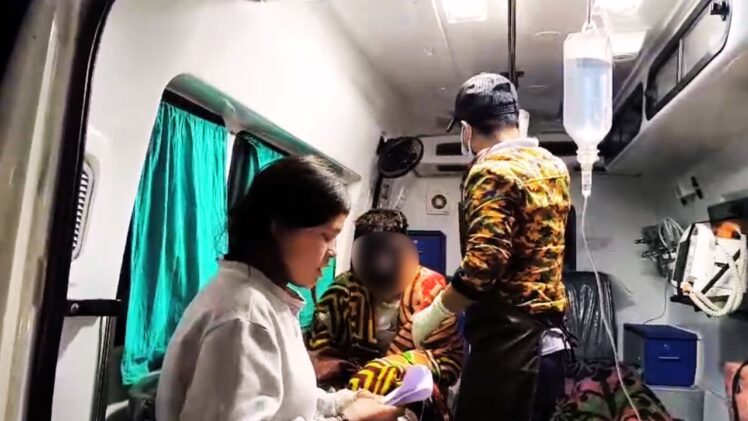
Eight injured miners remain under intensive medical care. They have been identified as Dawa Sherpa, Raju Tamang, Zamil Ahmed, Shanki Shylla, Bam Bahadur, Deb Malakar, Korna Mongal, and Lalit Magar.
Medical authorities said their condition continues to be closely monitored.
As rescue and recovery operations continue, civil society groups and local residents have renewed demands for accountability and strict enforcement of mining regulations.
The incident has once again exposed the fragile enforcement of the ban on illegal mining in Meghalaya, raising questions over governance, regulatory oversight, and political will.
As 25 families mourn their loved ones, public attention remains focused on whether this tragedy will finally lead to systemic reforms—or fade into yet another statistic in the troubled history of Jaintia Hills.